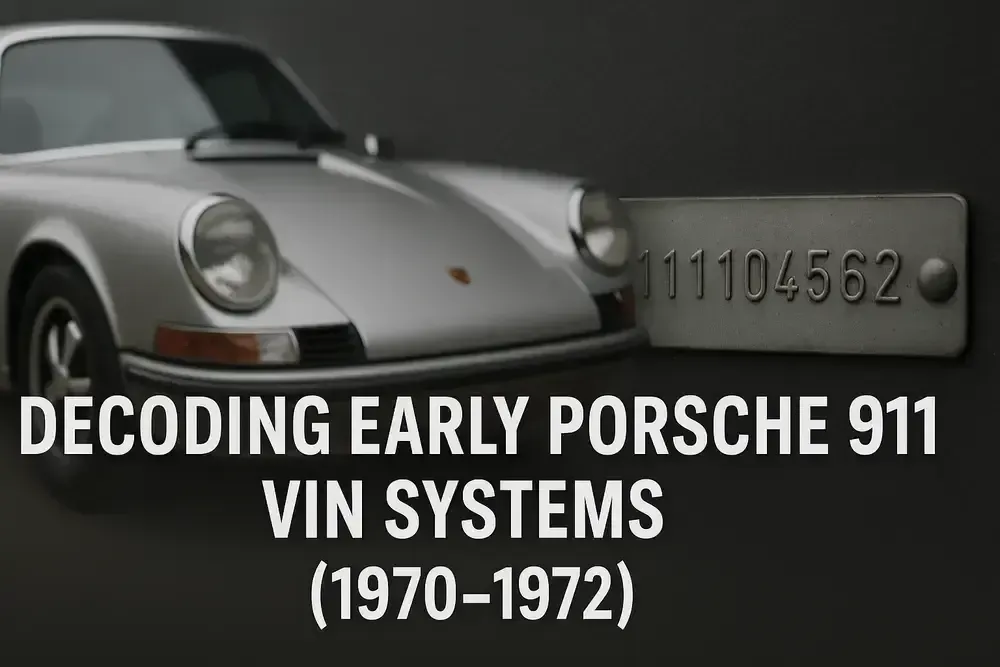
Reading the Windshield: A VIN Decoder's Walk Through Barrett-Jackson Columbus 2026
Most people walk a collector-car auction and read the placards. I read the VINs.
This past weekend I spent a day on the floor at Barrett-Jackson Columbus, inside the Ohio Expo Center, phone in hand, decoding cars as I went. A windshield card tells you what the seller wants you to know. The VIN tells you what the factory knew — the plant that built the car, the engine it was born with, the year it actually rolled off the line. Every one of those numbers is a little time capsule. Here are the cars that stole the day, and the stories hidden in their digits.
The V12 that pretends to be an SUV
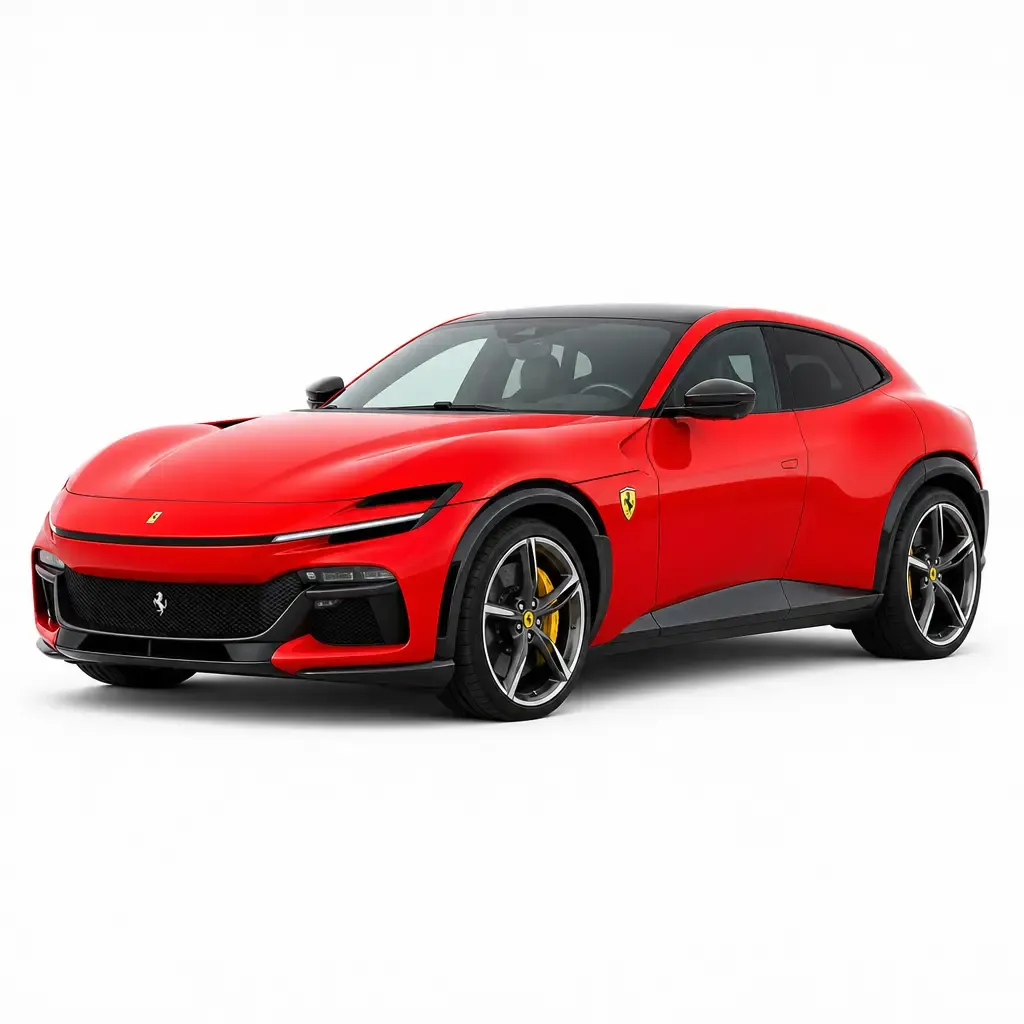
We started with heresy and glory: a 2023 Ferrari Purosangue. It's the first four-door, four-seat car Ferrari has ever built — and yet under that tall body sits a 6.5-liter naturally aspirated V12, no turbos, screaming to nearly 8,000 rpm. The "ZFF"-family Maranello WMI in the VIN marks it unmistakably as a thoroughbred. A V12 family hauler shouldn't work. It absolutely does.
The holy grail of pony cars
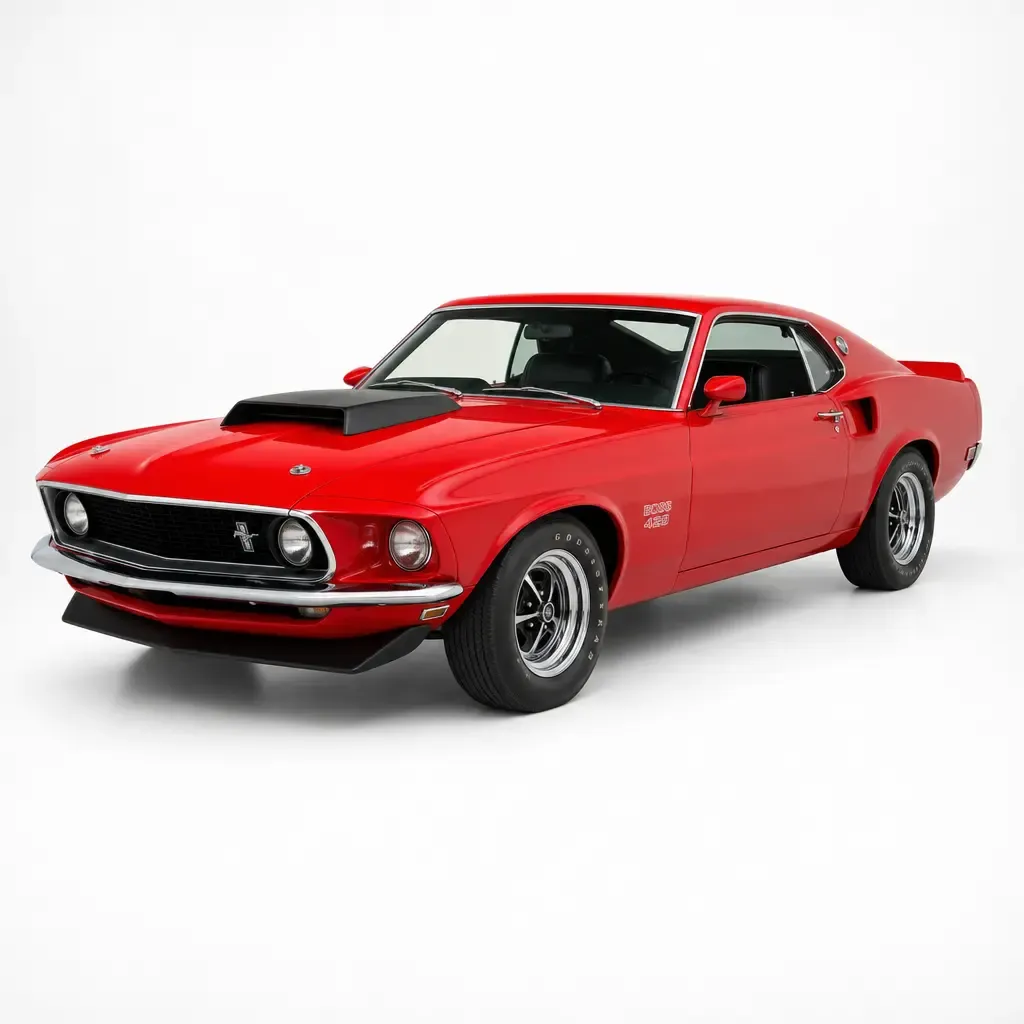
A few rows over sat a 1969 Ford Mustang Boss 429 — the one every Mustang collector whispers about. Ford built it for one reason: to homologate the massive 429 "semi-hemi" engine for NASCAR. The motor was so wide that Ford farmed the job out to Kar Kraft, who modified each shock tower by hand to wedge it in. Fewer than 1,400 were ever made. Seeing one in the metal is a religious experience.
American extremes
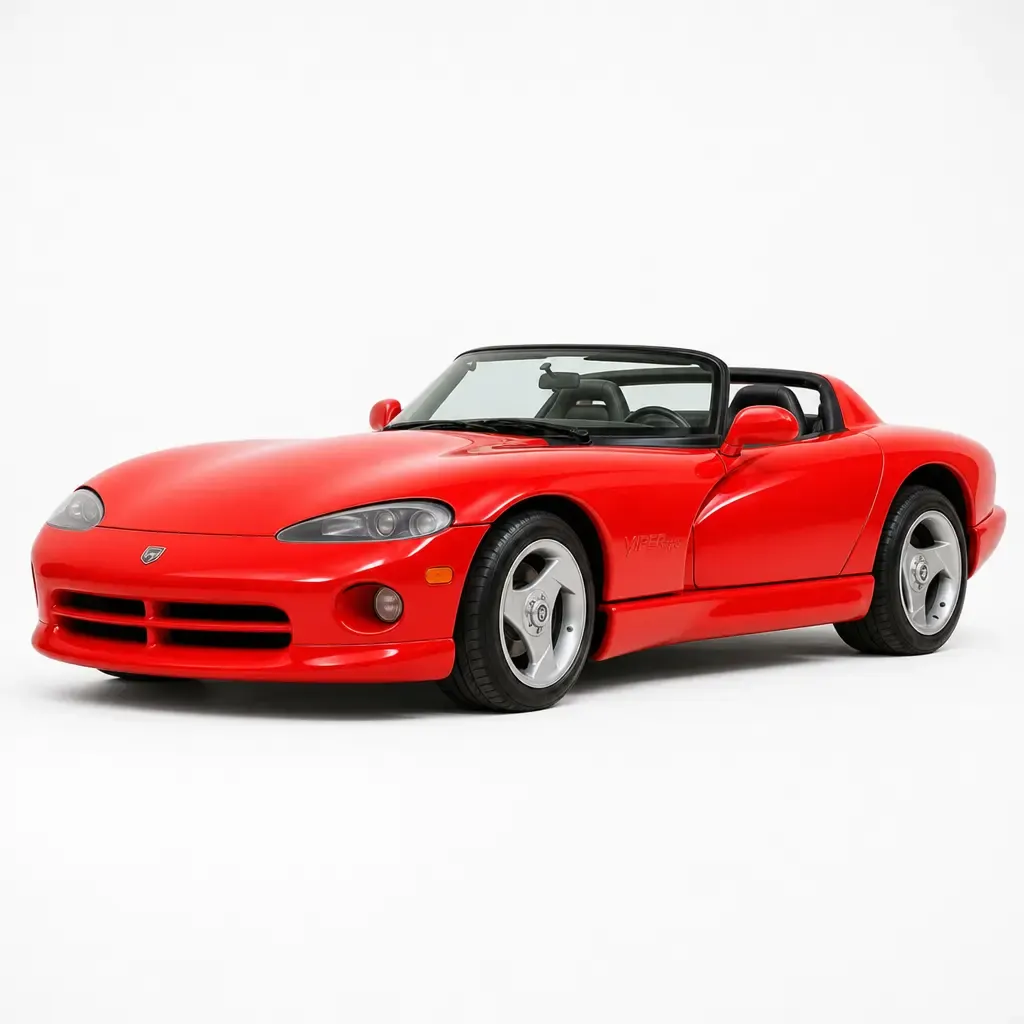
The 1993 Dodge Viper RT/10 is the opposite of subtle. No traction control, no exterior door handles, just an 8.0-liter V10 truck-derived engine and a side-exit exhaust that'll cook your ankle. This one wore Callaway 440 pace-car livery. It's the purest expression of 1990s "more is more" engineering.
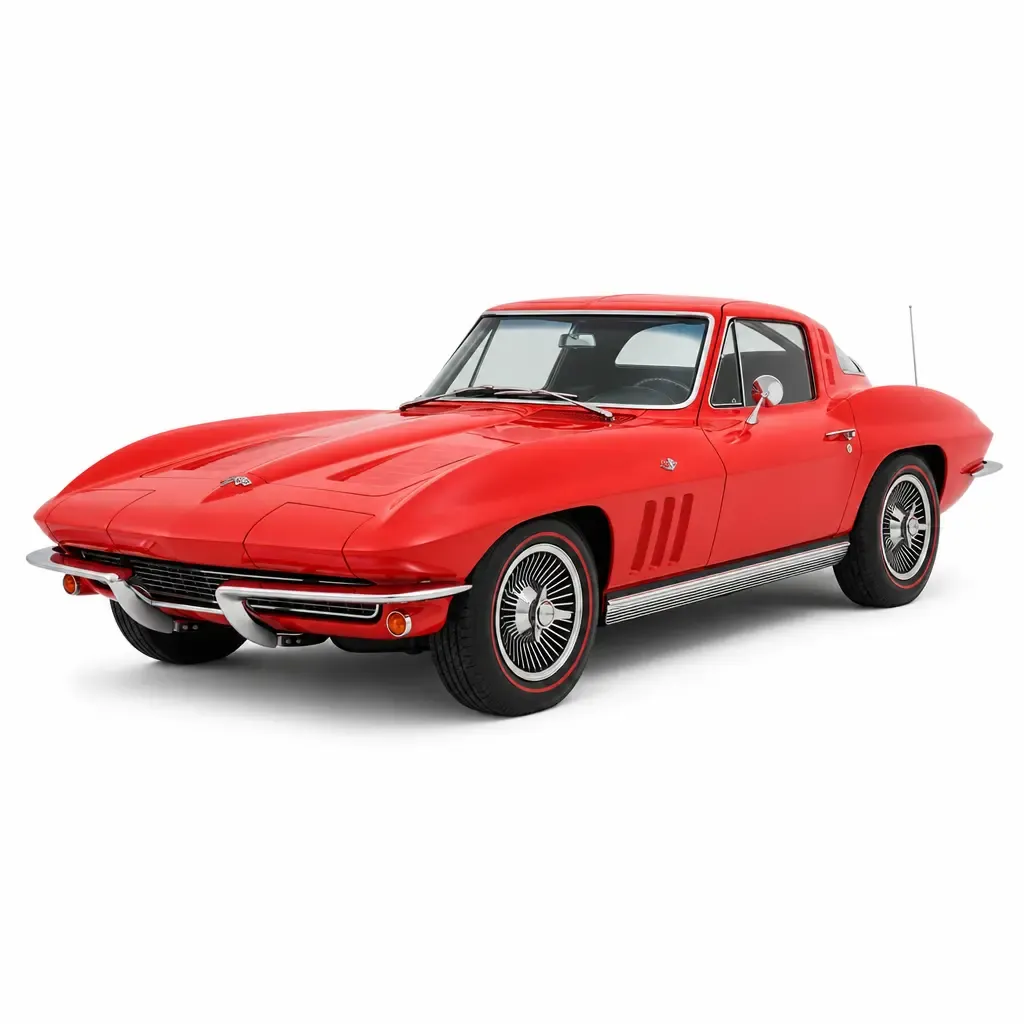
Then a 1963 Chevrolet Corvette, the first year of the Sting Ray. Its VIN carries the plant code S — St. Louis, Missouri, where every early Corvette was hand-assembled. Decoding one of these is like reading a birth certificate from the dawn of America's sports car.
Italian thunder, German restraint
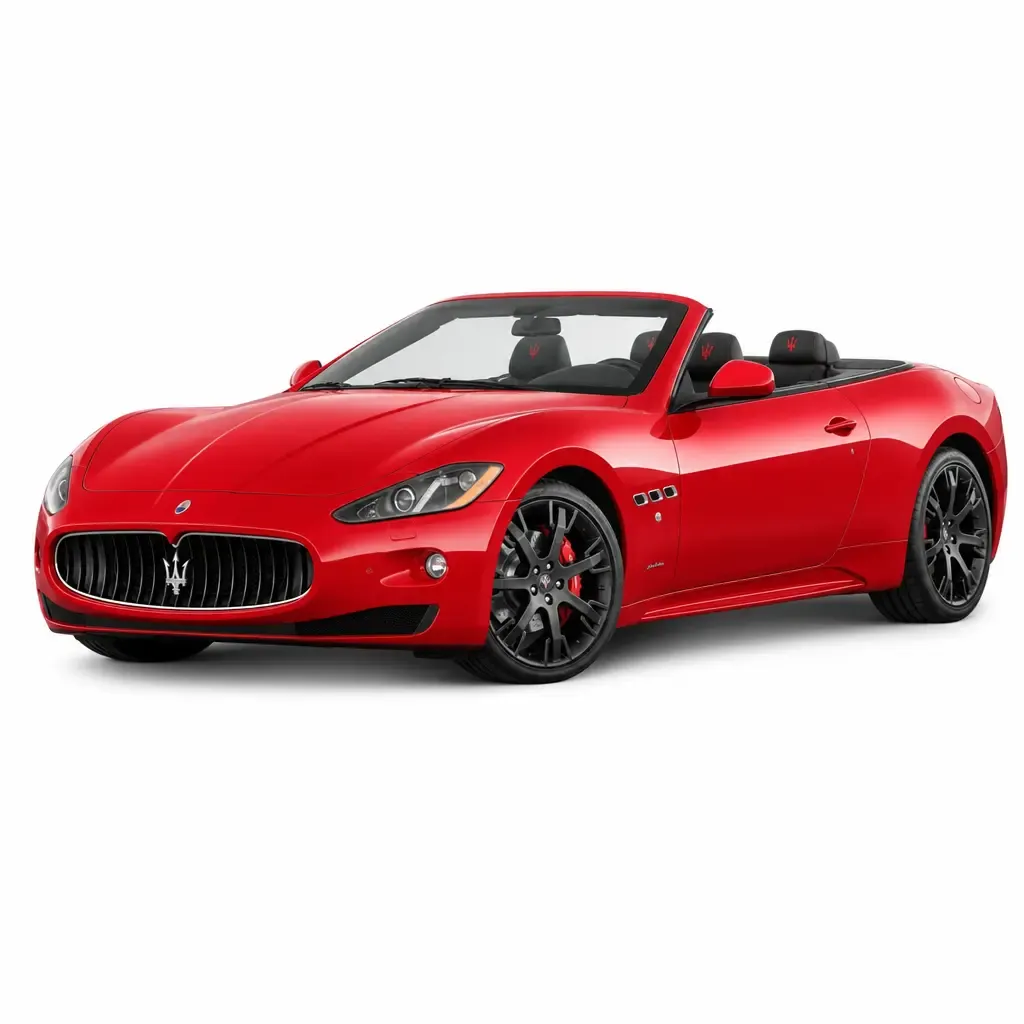
The 2014 Maserati GranTurismo Convertible hides a wonderful secret: its 4.7-liter V8 was built by Ferrari, in Maranello. It's widely considered one of the best-sounding production engines ever made — a high-revving symphony with the top down. With under 28,000 miles, this Grigio Touring example was the kind of usable exotic that's quietly become a bargain.
Mopar muscle, three ways
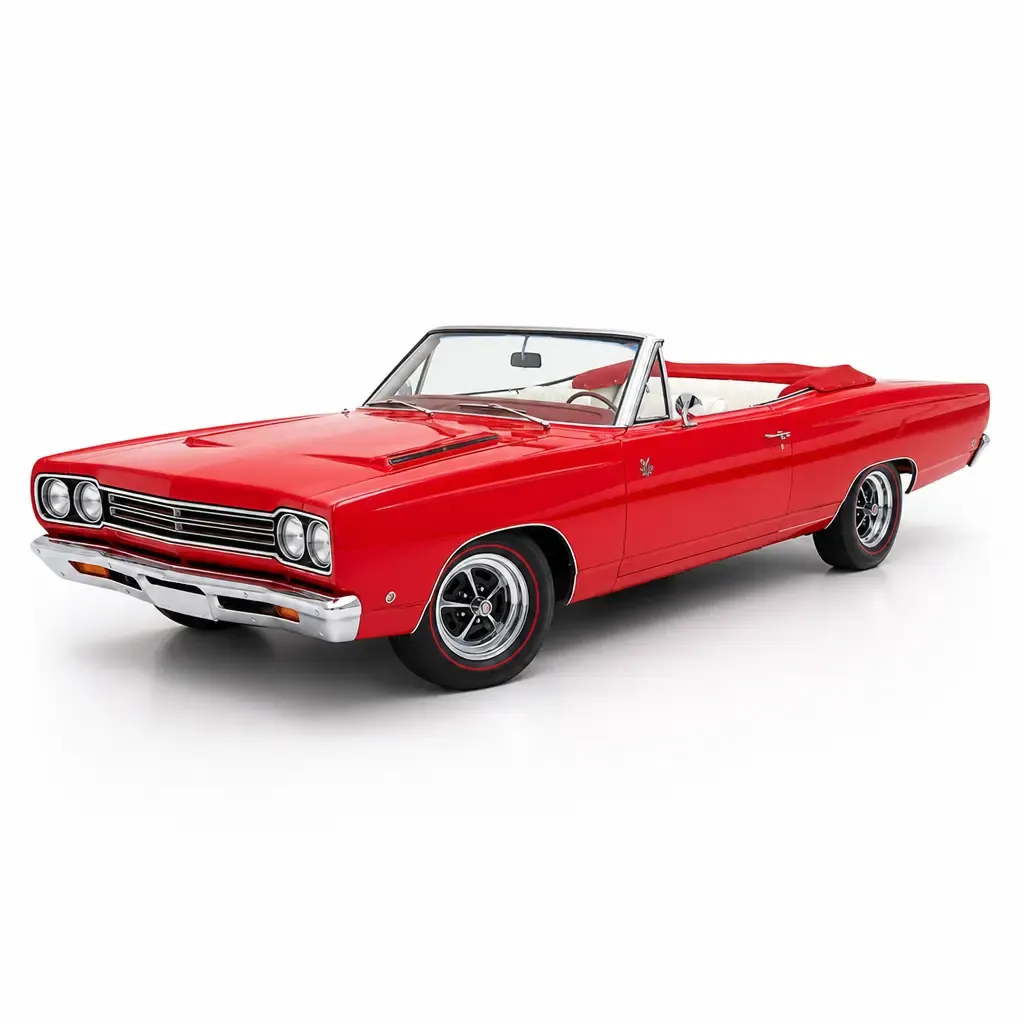
The Chrysler corner was stacked. A 1969 Plymouth Road Runner Convertible led the charge — its engine code points to the 383 "HP" big-block, the budget brawler that started a legend. (Fun fact: Plymouth actually paid Warner Bros. to license the Road Runner name and that "beep-beep" horn.)
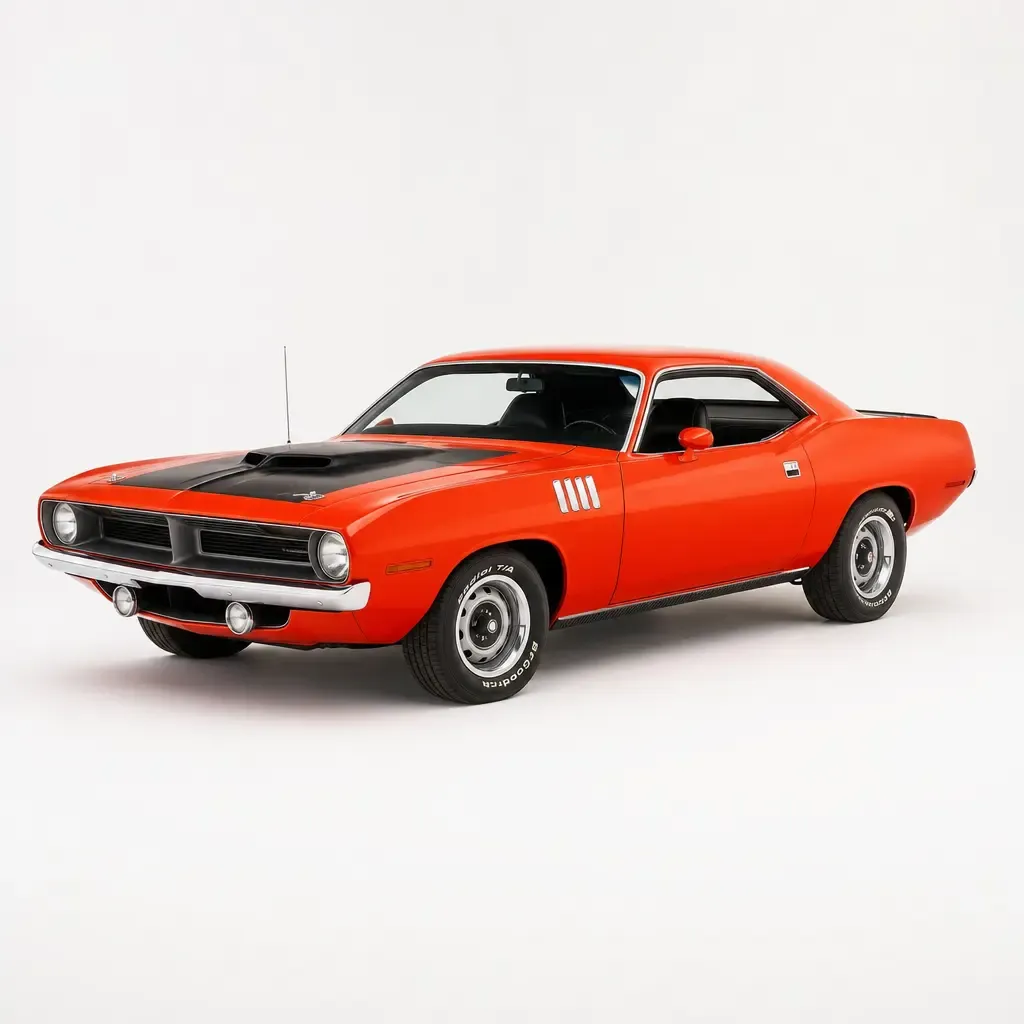
Nearby, a 1973 Plymouth 'Cuda carried the 340 small-block — not the biggest engine in the lineup, but the one enthusiasts love for how it balances the car. Light nose, sharp reflexes, all attitude.
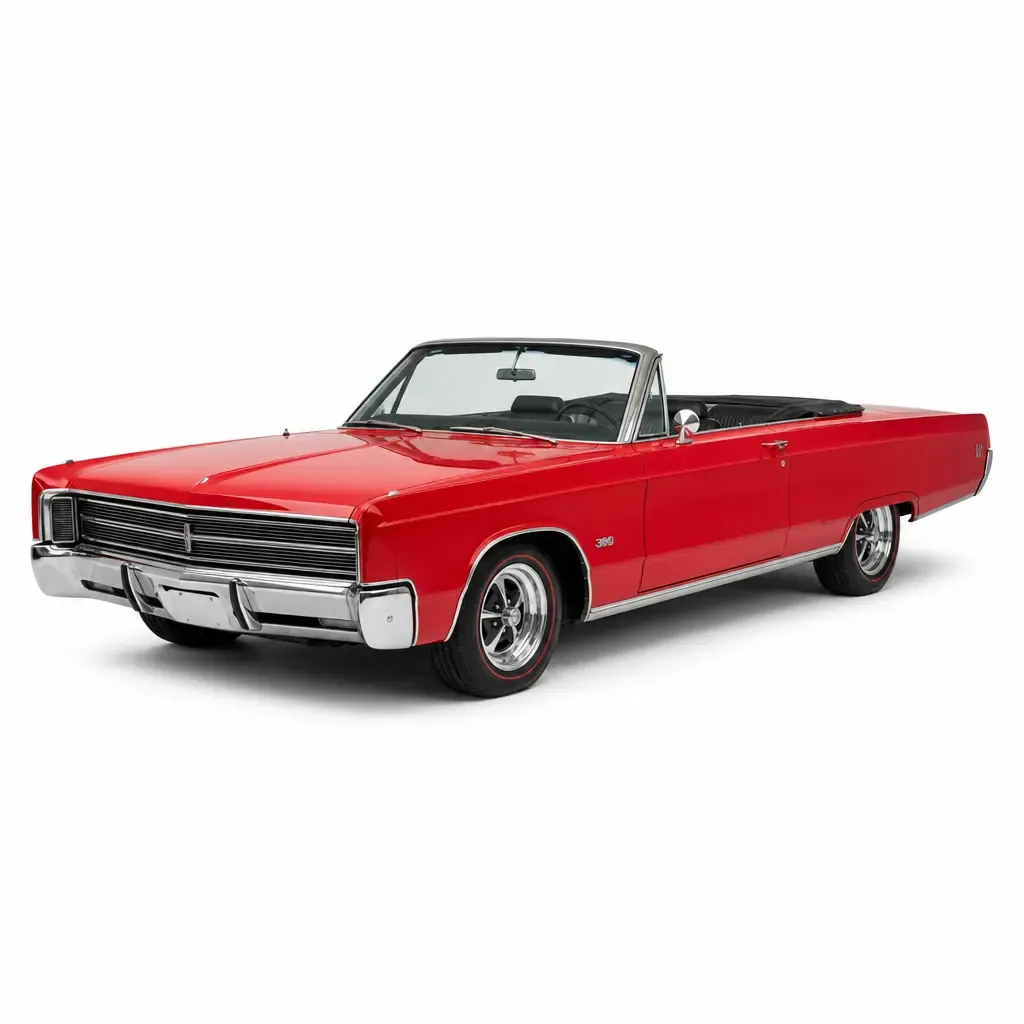
And for grand-touring muscle, a 1968 Chrysler 300 Convertible with the 440 TNT V8 — a full-size luxury cruiser that could still embarrass lighter cars at a stoplight. The gentleman's hot rod.
Built in Ohio, an hour from the show
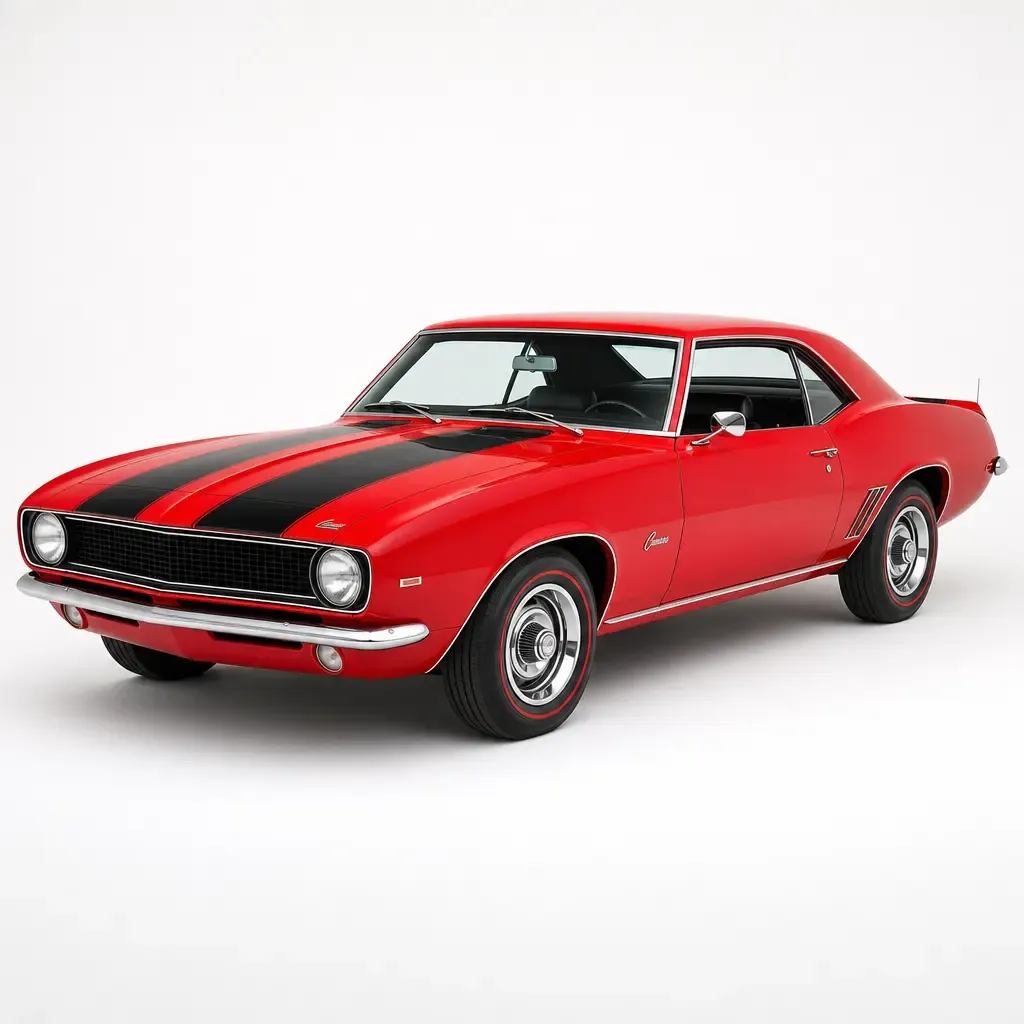
This one hit home. A sharp red 1968 Chevrolet Camaro — running a built small-block and a four-speed — carries the plant code N for Norwood, Ohio. So did the '69 Camaro a few stalls down. These cars were born about ninety minutes from the auction floor, at a plant that built first-gen Camaros until 1972. There's something poetic about Ohio muscle coming home to be sold in Columbus.
The wagon with a Corvette heart
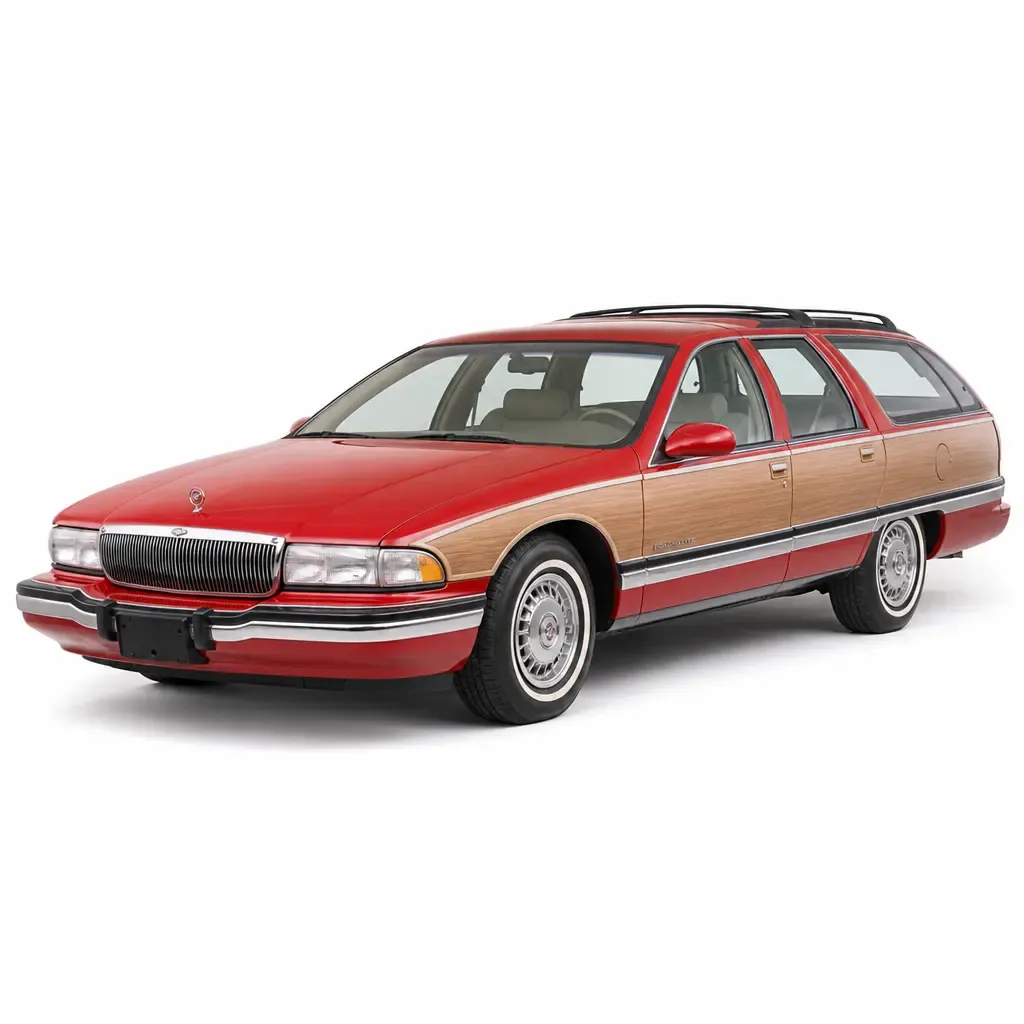
My sleeper of the show: a woodgrain 1996 Buick Roadmaster Estate Wagon. The VIN's engine code is P — the LT1 5.7-liter V8, the same small-block family as the contemporary Corvette, detuned for family duty. It's the last of the big, body-on-frame, rear-drive American wagons, and it'll smoke the tires while hauling three rows and a dog. These have a cult following for good reason.
When the badge outranks the VIN
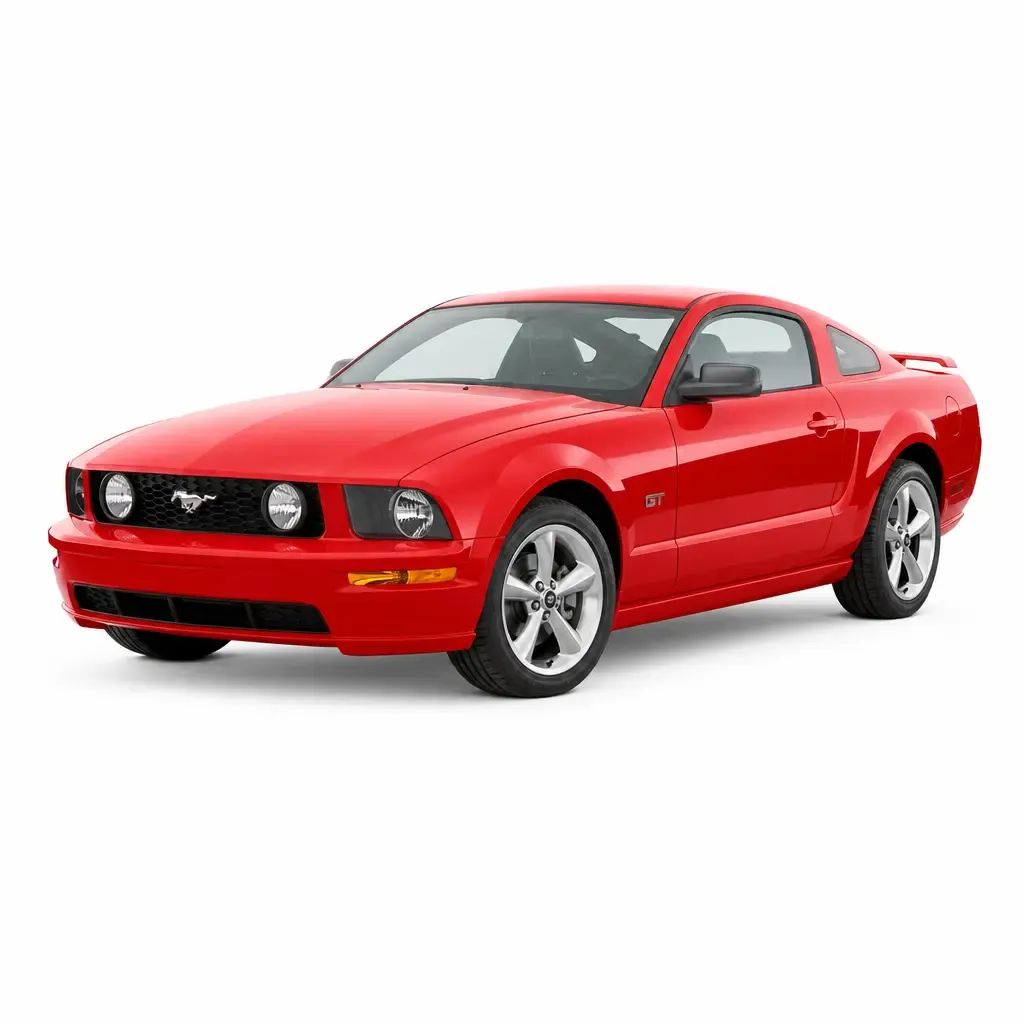
Two modern Mustangs taught a fun lesson in how factory paperwork works. The 2008 Roush 427R and the 2016 Shelby GT-H both decode, at heart, as Mustang GTs — because that's exactly what left Ford's line.
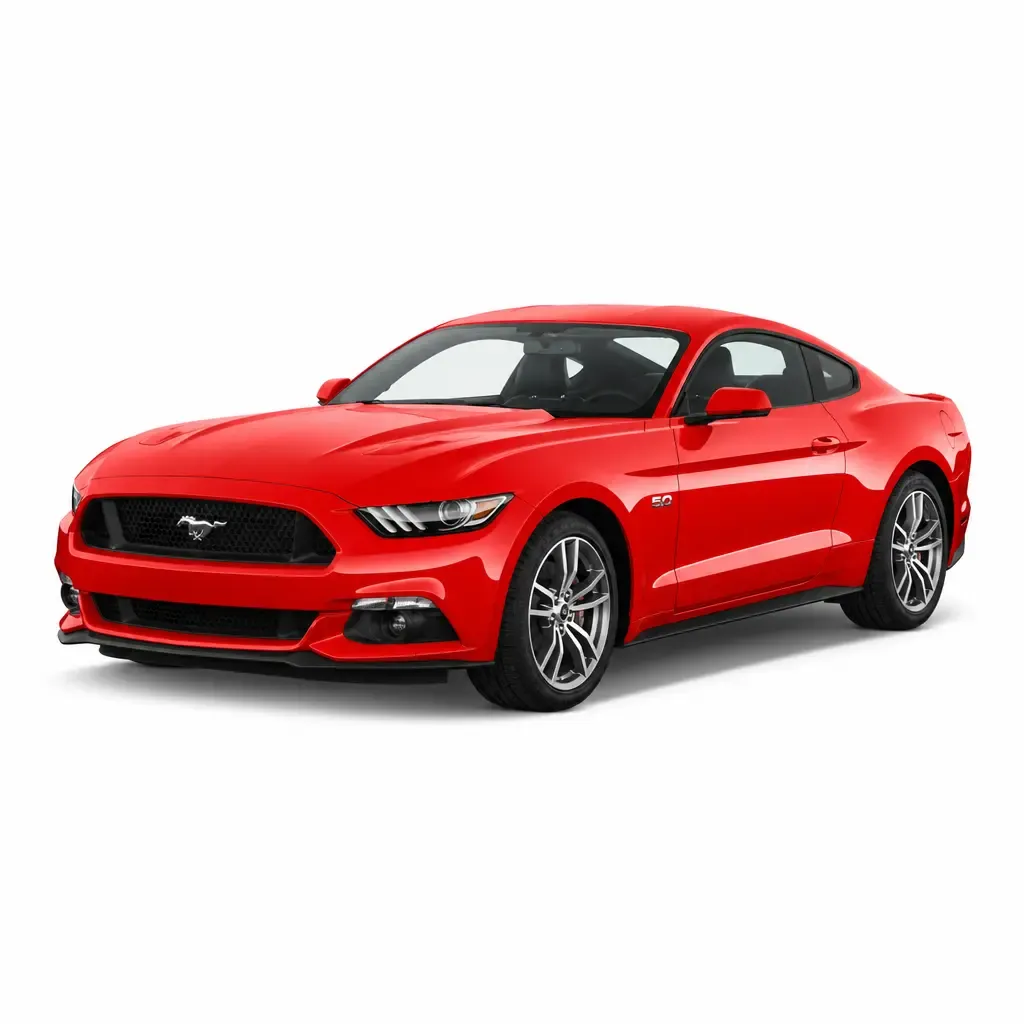
The magic happened after the factory: Roush supercharged the 427R to 427 horsepower (one of just 679 built that year), and Shelby turned the GT-H into a modern tribute to the legendary 1966 rent-a-racer (one of only 171). The VIN tells you the factory truth; the badges tell you the rest of the story.
Where it all started
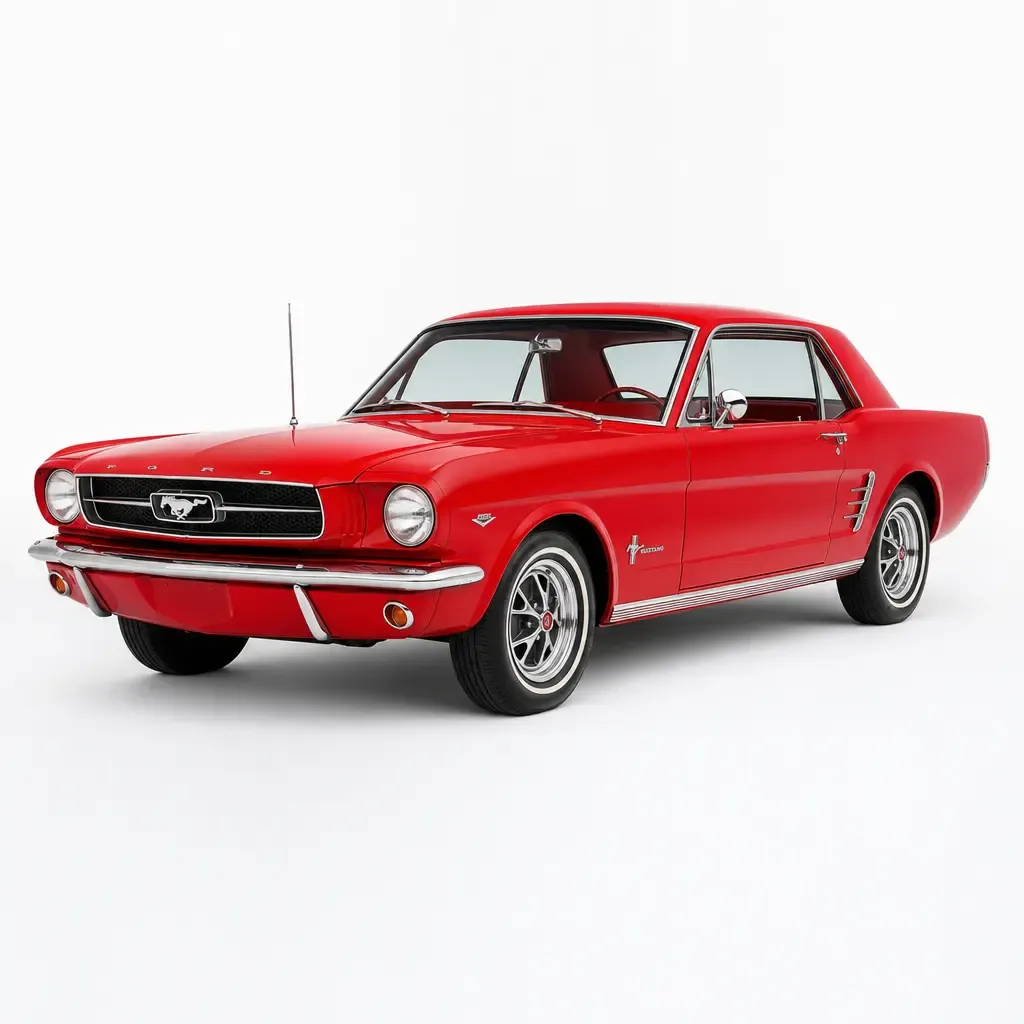
We finished where the pony-car era began: a 1966 Ford Mustang Convertible. Its VIN's plant code T reveals it was assembled in Metuchen, New Jersey — one of three plants (alongside Dearborn and San Jose) that couldn't build the original Mustang fast enough to meet demand. Sixty years on, it still draws a crowd.
Walking an auction with a VIN decoder turns a row of pretty cars into a row of biographies. The plant codes name the cities. The engine codes name the powerplants. The year codes pin down the exact moment in history. From a V12 Ferrari SUV to an Ohio-built Camaro to a Corvette-powered grocery-getter, every windshield at Barrett-Jackson Columbus had a story — and it was all right there in the numbers.
Got a VIN of your own you're curious about? Decode it at DecodeThis.com and read your car's birth certificate.